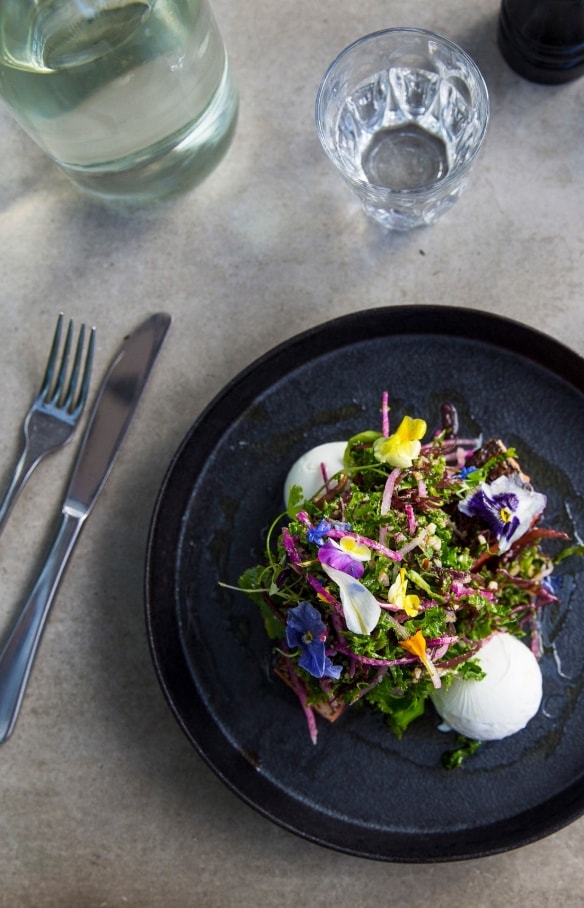
















































Wild Food Farm and Cafe, Phillip Island, Victoria © Tourism Australia
Australia’s native ingredients and where to try them
Australia’s native ingredients are not only healthy, they also offer a tantalising taste of the country.
1
Seafood

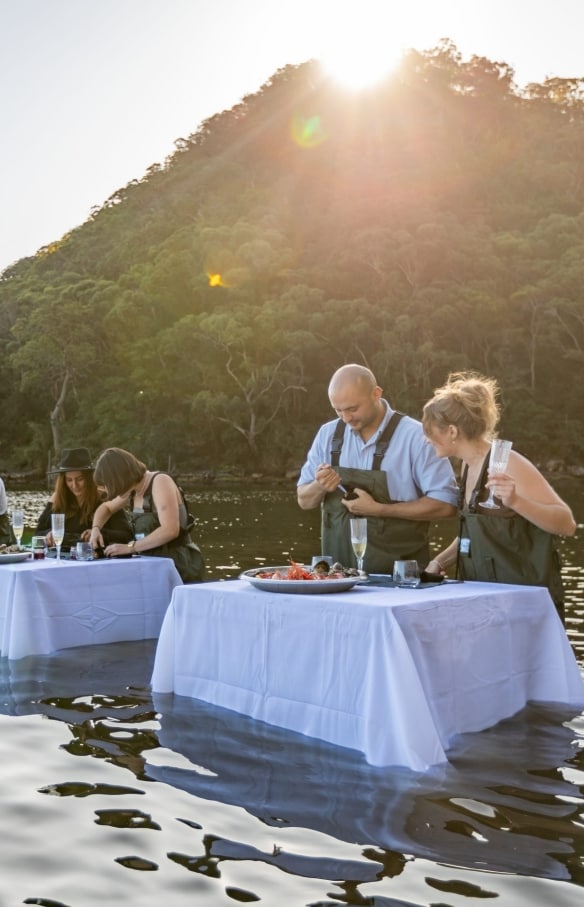
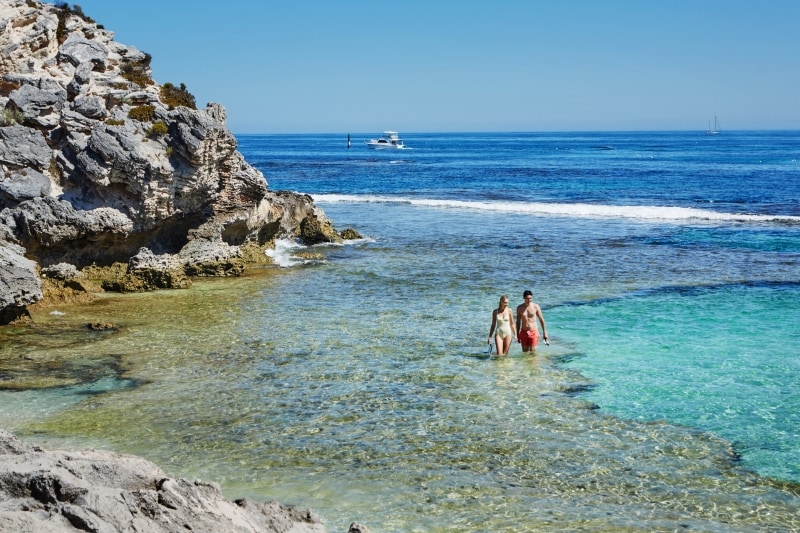
Rottnest Cruises, Rottnest Island, Western Australia © Tourism Australia
1
Seafood
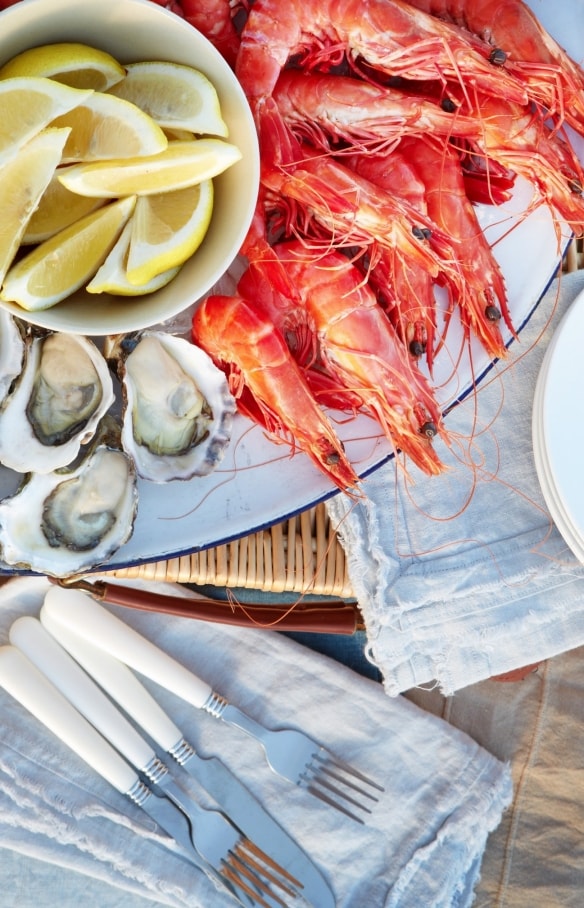
Barramundi, prawns, abalone, mussels, oysters, and Moreton Bay bugs are just some of the amazing seafood that is caught fresh from our Aussie waters. Harvested by Aboriginal and Torres Strait Islander communities for thousands of years, these delicacies are now also featured in seasonal dishes at some of Australia’s best restaurants. For a more hands-on experience, you can catch and cook your own on an expedition with the likes of Rottnest Cruises.

2
Macadamias

Macadamias Australia, Bundaberg, Queensland © Tourism Australia
2
Macadamias
Typically found in rainforests along our northeast coast, this native nut was once a delicacy among Aboriginal communities. Now, their rich, buttery flavour makes them the perfect addition to Aussie cuisine. Try macadamias at their source at Macadamias Australia in Bundaberg, where you can take part in an orchard tour, sample macadamia-inspired treats, and learn how they are planted and harvested.

3
Lemon myrtle

Lemon myrtle, Queensland © iStock/miwa_in_oz
3
Lemon myrtle
With antioxidant and anti-inflammatory properties, lemon myrtle has traditionally been used by Aboriginal communities for healing. Its fragrant leaf adds a citrusy zest to cooking, making it one of the most widely used native ingredients – you’ll find it in everything from chocolate to cocktails. Good Ways Deli in Sydney offers a refreshing lemon myrtle soda, perfect for a summery twist on native flavours, or you can enrol in a Native Pantry cooking class at Peppermint Ridge Farm in the Gippsland region

4
Finger limes

Finger lime © iStock/Sabinoparente
4
Finger limes
Known as “lime caviar,” finger limes are a tiny but mighty native fruit bursting with tangy flavour. They grow in a rare rainforest tree and were traditionally used for their antiseptic, healing properties. When in season (between March and May), try them on an Aboriginal bush foods tour like the one at Sydney’s Botanic Gardens. Keep an eye out for menus where native ingredients are heroes like Hearth Restaurant in Perth.

5
Kangaroo

Charred kangaroo, gubinge, grasses and wild garlic, Orana, Adelaide, South Australia © Orana
5
Kangaroo
Indigenous Australians have relied on kangaroos as a source of food for tens of thousands of years. Lean, high in protein and packed with essential vitamins and minerals, kangaroo meat is sustainably sourced from nature, rather than farmed. With its tender texture and robust flavour, it’s become a popular menu item and can be found seasonally at Australian restaurants like Melbourne’s Attica.

6
Wattleseed

Wattle, Lorne, Victoria © Visit Victoria
6
Wattleseed
Aboriginal communities have traditionally eaten this native botanical raw, or ground the seeds into flour for making damper (bread). This remains a popular cooking technique today, with powdered seeds adding flavours of nuts, coffee, spice and chocolate to cakes, biscuits and loaves. Try it in a wattleseed pavlova or ice cream at Ochre Restaurant in Cairns, where it’s paired with other native flavours to create a truly Aussie dessert experience.

7
Crocodile

Dundee’s Waterfront Restaurant, Cairns, Queensland © Alexandra Gow
7
Crocodile
Crocodile is a staple of Aussie bush foods due to the meat being low fat, high in protein, and rich in omega-3 fatty acids. The flavour sits somewhere between chicken and pork, and the best ‘cuts’ of meat are the tenderloin and tail fillet which can be cooked in the same manner as a beef steak. You’ll see it a lot on menus in our north – places like Dundees in Darwin – where crocs are plentiful.

8
Saltbush

Dale Tilsdale Bush Tucker Experience, Caversham, Perth, Western Australia © Tourism Australia
8
Saltbush
Growing throughout our country, typically in drier landscapes, the pretty leaves of this native bush have a slightly salty flavour. While they can be oven-baked into a crispy snack on their own, you’ll also find them used to add depth and an earthy taste when cooking, or as a native alternative to salt when ground up. For an immersive way to try it, join the wukalina walk in Tasmania, where you’ll learn about saltbush and other edible plants in their natural habitat.

9
Mud crab

Walkabout Cultural Adventures, Daintree Rainforest, Queensland © Tourism Australia
9
Mud crab
Found in tidal flats and mangroves around most of our coastline, mud crab flesh is moist and sweet, low in fat and high in vitamins and minerals. Like most seafood, mud crab is best enjoyed fresh where it’s caught. Experience the ultimate farm-to-plate journey with Walkabout Cultural Adventures on the fringe of the Daintree Rainforest, where you can catch the delicacy and savour them cooked traditionally on the beach.

10
Kakadu plum

Fleurieu Milk Company, Adelaide, South Australia © Fleurieu Milk Company
10
Kakadu plum
Originally discovered in the UNESCO World Heritage-listed Kakadu National Park, the Kakadu Plum has since been said to be the world's richest natural source of Vitamin C. Aboriginal people have valued this plant for thousands of years for its food and medicinal properties, and today this superfood is used in jams, sauces, and desserts. Find it at Adelaide Central Markets through purveyors like Something Wild, which specialises in native ingredients and recipes.